Linde India is a leading industrial gas and engineering company that has been operating in the Indian market for over 80 years. Over the years, the company has grown to become a trusted provider of gases, equipment, and services that have been critical to various industries such as healthcare, metallurgy, food processing, and many more. As an investor, it’s important to understand the factors that influence the market value of Linde India’s shares. This knowledge can help you make informed investment decisions and maximize your returns. In this article, we will take a closer look at Linde India’s share price and explore some of the key factors that can impact its value. From analyzing market trends and financial performance to evaluating industry regulations and the competitive landscape, we will provide you with valuable insights that can help you stay ahead of the curve in the stock market. So, let’s dive right in and uncover the secrets of Linde India’s share price.
Economic conditions that influence Linde India’s share price
Economic conditions play a crucial role in determining the market value of a company’s shares. In the case of Linde India, inflation, interest rates, and GDP are some of the primary factors that impact its share price. Inflation refers to the increase in the prices of goods and services over time. When inflation is high, the cost of raw materials and other inputs increases, which can reduce a company’s profit margins. As a result, investors may become less optimistic about the company’s future prospects, leading to a decline in its share price.
Interest rates also play a critical role in determining the market value of a company’s shares. When interest rates are low, companies can borrow money at a lower cost, which can boost their profits. As a result, investors may become more optimistic about the company’s future prospects, leading to an increase in its share price. On the other hand, when interest rates are high, borrowing costs increase, which can reduce a company’s profitability. This, in turn, can lead to a decline in its share price.
Finally, GDP growth is another important economic indicator that influences Linde India’s share price. When the economy is growing, companies in various sectors can benefit from increased demand for their products and services. As a result, investors may become more optimistic about the company’s future prospects, leading to an increase in its share price. Conversely, when the economy is stagnant or in recession, companies may struggle to generate growth, which can lead to a decline in their share price.
Industry Trends that Affect Linde India’s share price
Apart from economic conditions, industry trends also play a critical role in determining the market value of a company’s shares. In the case of Linde India, regulatory changes, competition, and raw material prices are some of the key factors that impact its share price. Regulatory changes refer to any new laws or regulations that affect the industrial gases and engineering industry. For example, if the government introduces stricter environmental regulations, Linde India may need to invest in new technologies or processes to comply with the regulations. This can increase the company’s costs, which can reduce its profitability and lead to a decline in its share price.
Competition is another key factor that influences Linde India’s share price. As a leading player in the industrial gases and engineering industry, Linde India faces competition from other companies that offer similar products and services. If a new competitor enters the market or an existing competitor gains market share, Linde India’s sales and profits may decline, leading to a decrease in its share price.
Raw material prices are also an important factor that impacts Linde India’s share price. Since the company relies on various raw materials to produce its products, any increase in the cost of these raw materials can reduce its profit margins and lead to a decline in its share price. Conversely, if the cost of raw materials decreases, Linde India’s profit margins may increase, leading to an increase in its share price.
Company Performance and its Impact on Linde India’s share price
Another critical factor that influences Linde India’s share price is its financial performance. Revenue, profits, and management actions are some of the key indicators that investors consider when evaluating a company’s financial performance. When a company’s revenue and profits increase, investors may become more optimistic about its future prospects, leading to an increase in its share price. Similarly, if a company’s management takes actions that are perceived positively by investors, such as investing in new growth opportunities or increasing dividends, its share price may increase.
Conversely, if a company’s revenue and profits decline or if its management takes actions that are perceived negatively by investors, such as cutting dividends or engaging in unethical practices, its share price may decline. In the case of Linde India, investors closely monitor the company’s financial performance, including its revenue, profits, and management actions, to determine its future prospects and potential for growth.
News events that can impact Linde India’s share price
Apart from economic conditions, industry trends, and company performance, news events can also impact Linde India’s share price. Mergers and acquisitions, legal issues, and product launches are some of the key news events that can influence a company’s share price. For example, if Linde India announces a merger with another company, investors may become more optimistic about its future prospects, leading to an increase in its share price. Similarly, if Linde India faces legal issues, such as a lawsuit or regulatory penalties, its share price may decline.
Product launches are also an important news event that can impact Linde India’s share price. If the company launches a new product that is well-received by customers and generates significant revenue, its share price may increase. Conversely, if a new product fails to meet expectations or faces stiff competition, Linde India’s share price may decline.
Historical trends in Linde India’s share price
Investors often analyze historical trends in a company’s share price to determine its future prospects and potential for growth. In the case of Linde India, the company’s share price has shown steady growth over the past decade, with occasional fluctuations due to economic conditions, industry trends, and company performance. From 2010 to 2020, Linde India’s share price increased from around INR 200 to over INR 800, representing a compound annual growth rate of around 14%.
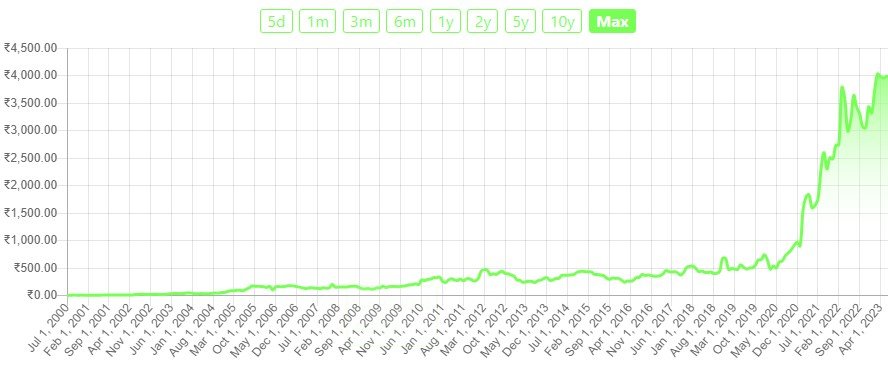
However, it’s important to note that past performance does not guarantee future results. Investors should continue to monitor economic conditions, industry trends, and company performance to make informed decisions about Linde India’s share price.
Predicting Linde India’s share price – Technical and fundamental analysis
Investors use various methods to predict a company’s share price, including technical analysis and fundamental analysis. Technical analysis involves analyzing charts and other market data to identify patterns and trends that may indicate future price movements. Fundamental analysis, on the other hand, involves analyzing a company’s financial statements, management, industry trends, and other factors to determine its intrinsic value and potential for growth.
In the case of Linde India, investors may use both technical and fundamental analysis to predict its share price. Technical analysis can help investors identify short-term trends and potential entry and exit points, while fundamental analysis can provide a more long-term perspective on the company’s future prospects and potential for growth.
Conclusion – Future outlook for Linde India’s share price
In conclusion, understanding the factors that impact Linde India’s share price is crucial for investors who want to make informed decisions and maximize their returns. Economic conditions, industry trends, company performance, and news events are some of the key factors that influence Linde India’s share price. By analyzing these factors and using methods such as technical and fundamental analysis, investors can gain valuable insights into the company’s future prospects and potential for growth. While past performance is not a guarantee of future results, Linde India’s steady growth over the past decade suggests that it may continue to be a strong player in the industrial gases and engineering industry in the years to come.
Latest News on Linde India Limited
Read the Latest news on Linde India Limited to know its current share prices, market fluctuations, and expert target price updates. Keep an eye out for rumors and speculations about the company as well in 2023. Stay informed and make informed decisions about your future investments.

