The Next Gen GST Reforms announced in September 2025 are being hailed as a revolutionary step for Indian agriculture. With significant tax reductions across farm machinery, dairy, fisheries, and allied activities, these reforms are set to lower farming costs, boost farmer incomes, and promote sustainable practices.
Union Agriculture Minister Shri Shivraj Singh Chouhan called the decision historic, noting that it will “write new chapters of growth in agriculture” and benefit farmers at every level.
Key Benefits of the New GST Rates for Agriculture
1. Affordable Agricultural Mechanisation
- Tractors (<1800 cc): GST reduced to 5%.
- Tractor parts (tyres, tubes, pumps, etc.): Reduced from 18% to 5%.
- Harvesting machines, sprinklers, drip irrigation systems: Cut from 12% to 5%.
- Threshing and compost machines: Reduced to 5%.
👉 Example: A 50 HP tractor that earlier cost ₹8,50,000 (including 12% GST) will now cost only about ₹7,97,000 – saving farmers over ₹53,000.
2. Lower Input Costs: Fertilisers & Pesticides
- Ammonia, sulfuric acid, nitric acid: GST cut from 18% to 5%.
- Bio-pesticides & micronutrients: Reduced from 12% to 5%.
This change encourages farmers to adopt eco-friendly bio-inputs over chemical pesticides, improving soil health and crop quality.
3. Boost for Fruits, Vegetables & Food Processing
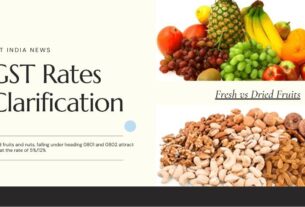
- Prepared/preserved fruits, vegetables, nuts: GST reduced from 12% to 5%.
- Benefits cold storage and processing units, reducing wastage.
- Promotes exports and strengthens India’s role as an agri-export hub.
4. Dairy Sector Gains Big
- Milk and cheese: Now fully exempt from GST.
- Butter, ghee, etc.: Tax cut from 12% to 5%.
- Milk cans (iron/steel/aluminium): Reduced to 5%.
This not only benefits farmers and livestock owners but also reduces the cost of dairy products for consumers.
5. Promoting Allied Activities
- Aquaculture: GST on prepared/preserved fish reduced to 5%.
- Honey: Natural honey and artificial honey now taxed at just 5% (down from 18%).
- Tendu leaves: Reduced from 18% to 5%, supporting tribal livelihoods.
6. Cheaper Renewable Energy for Farming
- Solar-powered irrigation devices: GST cut from 12% to 5%.
- Helps reduce irrigation costs and promotes renewable energy use in rural areas.
Farmer-Friendly Impact
- Prices down, profits up: From tractors to fertilisers, farmers will save lakhs in annual expenses.
- Sustainable agriculture: More use of bio-pesticides, organic farming, and solar irrigation.
- Boost to cooperatives and FPOs: Affordable machinery and inputs will strengthen small farmer collectives.
- Food security: Lower costs in production and processing make India more competitive against imports, supporting the vision of Atmanirbhar Bharat.
Old GST vs New GST: Key Changes for Farmers
| Item | Old GST Rate | New GST Rate | Impact / Benefit |
|---|---|---|---|
| Tractors (<1800 cc) | 12% | 5% | Makes mechanisation cheaper for small & medium farmers |
| Tractor parts (tyres, pumps, tubes) | 18% | 5% | Big savings on repairs & maintenance |
| Harvesting & threshing machines | 12% | 5% | Reduces cost of crop processing |
| Sprinklers, drip irrigation | 12% | 5% | Affordable modern irrigation |
| Fertilisers (ammonia, nitric acid, etc.) | 18% | 5% | Corrects inverted duty, lowers farm input costs |
| Bio-pesticides & micronutrients | 12% | 5% | Promotes organic & eco-friendly farming |
| Prepared/preserved fruits & vegetables | 12% | 5% | Boosts food processing & reduces wastage |
| Milk & cheese | 5–12% | 0% (Exempt) | Big relief for dairy farmers & consumers |
| Butter, ghee, dairy fats | 12% | 5% | Dairy products become more affordable |
| Milk cans (metal) | 12% | 5% | Lower storage & transport costs |
| Prepared/preserved fish | 12% | 5% | Encourages aquaculture growth |
| Natural & artificial honey | 18% | 5% | Benefits beekeepers, SHGs & tribal farmers |
| Solar irrigation devices | 12% | 5% | Makes renewable energy affordable in farming |
| Tendu leaves | 18% | 5% | Supports tribal communities’ livelihood |
Conclusion
The Next Gen GST Reforms are truly farmer-friendly, pro-rural, and pro-sustainability. By reducing taxes on machinery, inputs, dairy, and allied activities, the government has taken a bold step to empower farmers, increase productivity, and promote self-reliance in agriculture.
With these reforms, India’s agricultural sector is poised for historic growth, ensuring both prosperity for farmers and affordable prices for consumers.