Table of Contents
- Overview
- Implementation timeline
- “Simple Tax” structure (5% / 18% / 40% / NIL)
- Common-man items — 12%→5% & 18%→5%
- Packaged food & dairy — 12/18%→5% & 5%→NIL
- Healthcare & medicines — 12%→5%, 18%→5%, NIL
- Agriculture & fertilizers — 12/18%→5%
- Automotive — 28%→18%, uniform 18% on parts
- Consumer electronics — 28%→18%
- Textiles & inverted duty correction — 18%→5%, 12%→5%
- Paper & education supplies — 12%→NIL/5%
- Core services — selected 12%→5%, some to 18%
- Hospitality & well-being — 12%→5% / 18%→5%
- Insurance — 18%→Exempt
- De-merit category — 28%→40%
- Trade facilitation & law changes
- What this means for you
Overview
At its 56th meeting, the GST Council announced a sweeping rate rationalisation focused on the common citizen, labour-intensive industries, agriculture and health. The headline moves include exemptions for individual life and health insurance, a simpler two-rate structure, and large rate cuts across everyday goods.
Implementation timeline
- Service rate changes take effect from 22 September 2025.
- Most goods also shift from 22 September 2025.
- Pan masala and tobacco products continue at existing rates/cess until compensation-cess obligations are cleared; the Finance Minister will decide the switch-over date for those items.
“Simple Tax” structure (5% / 18% / 40% / NIL)
- Merit Rate: 5%
- Standard Rate: 18%
- Special De-merit Rate: 40% (select goods & services)
- NIL: For specified essentials, lifesaving drugs, and some food items
This replaces the earlier four-tier structure.
Common-man items — 12%→5% & 18%→5%
Big basket of daily-use goods moves down: tooth powder, candles, feeding bottles, umbrellas, tableware/kitchenware, bicycles & parts, bamboo/cane furniture, combs, baby diapers, etc. (mostly 12%→5%).
Several toiletries drop 18%→5%: shampoo, hair oil, toothpaste, toothbrushes, toilet soap, talcum/face powder, shaving items.
Packaged food & dairy — 12/18%→5% & 5%→NIL
- Packaged namkeens, sauces, pasta, instant noodles, chocolates, coffee, preserved meat, cornflakes, butter, ghee → 5% (from 12% or 18%).
- UHT milk, pre-packaged paneer/chhena, and all Indian breads (roti, chapati, paratha, parotta, etc.) → NIL (from 5%).
📢 Key Notifications from GST Council’s 56th Meeting
Explore the official GST notifications, rate changes, and exemptions issued after the 56th GST Council meeting.
👉 Read Key GST NotificationsHealthcare & medicines — 12%→5%, 18%→5%, NIL
- 33 lifesaving drugs: 12%→NIL; 3 lifesaving drugs: 5%→NIL.
- All other drugs/medicines: 12%→5%.
- Medical devices: many items 18%→5%.
- Diagnostic kits, reagents, gauze, bandages, glucometers: 12%→5%.
Agriculture & fertilizers — 12/18%→5%
- Tractors, soil-preparation, cultivation and harvesting machinery, composters, mowers: 12%→5%.
- Fertiliser intermediates such as sulphuric acid, nitric acid, ammonia corrected 18%→5%.
Automotive — 28%→18%, uniform 18% on parts
- Small cars & motorcycles ≤350cc: 28%→18%.
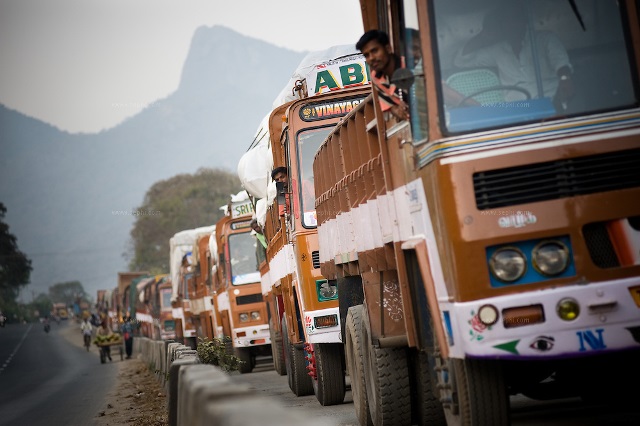
- Buses, trucks, ambulances: 28%→18%.
- Three-wheelers: 28%→18%.
- All auto parts taxed at a uniform 18%.
Consumer electronics — 28%→18%
- Air-conditioners, dishwashers, TVs (all sizes, including ≤32”): 28%→18%.
This brings TVs entirely into the 18% slab.
Textiles & inverted duty correction — 18%→5%, 12%→5%
- Manmade fibre: 18%→5%.
- Manmade yarn: 12%→5%.
Value-linked corrections for apparel and quilted products are also included.
📄 Download All GST Notifications (56th Council Meeting)
Get a compiled set of official GST notifications and updates issued after the 56th GST Council meeting in one place.
📥 Download PDF CopiesPaper & education supplies — 12%→NIL/5%
- Uncoated paper/board for notebooks: 12%→NIL.
- Education items like exercise/graph/lab notebooks, pencils, crayons, sharpeners, maps, globes shift to NIL or 5% depending on the item.
Core services — selected 12%→5%, some to 18%
- Down to 5%: admission to films ≤₹100, treatment of effluents, biomedical waste treatment (all from 12%).
- Transport: entries rationalised across 5% and 18% (GTA, multimodal, renting with operator, air travel—non-economy up to 18%).
- Up to 18%: oil & gas exploration services and some works contracts (from 12%).
Hospitality & well-being — 12%→5% / 18%→5%
- Hotel accommodation ≤₹7,500 per day: 12%→5% (without ITC).
- Beauty & physical well-being services (gyms, salons, barbers, yoga centres): 18%→5% (without ITC).
Insurance — 18%→Exempt
- All individual life insurance (term, ULIP, endowment) and all individual health insurance (including family floater & senior citizen policies) are now exempt from GST.
- Their reinsurance is also exempt.
De-merit category — 28%→40%
- A new 40% rate applies to casinos, race clubs, betting, gambling, horse racing, lottery, online money gaming, and certain leasing without operator services.
Trade facilitation & law changes
- Provisional refunds @ 90% extended to IDS; operational from 1 November 2025.
- Simplified registration for small/low-risk businesses (auto-approval in 3 days) from 1 November 2025.
- Place of supply for intermediaries shifts to recipient’s location by omitting IGST 13(8)(b), aiding service exports.
- RSP-based valuation for pan masala, gutkha, cigarettes, tobacco under GST to curb undervaluation.
- GSTAT to accept appeals before end-September and begin hearings before December 2025.
What this means for you
Everyday costs (toiletries, kitchenware, bicycles), packaged foods, hotel stays, salon/gym visits, medical devices, and key farm inputs should see price relief. Insuring your family becomes cheaper with full GST exemption on individual health and life covers. High-risk gaming and betting face a steeper 40% levy. Businesses get predictability via a leaner 5%/18% structure, IDS corrections, and faster refunds — with specific dates and notifications to make it law.
Source: Press Information Bureau press release on recommendations of the 56th GST Council meeting (03 Sep 2025).
Frequently Asked Questions (FAQs)
Most changes in goods and services rates will be effective from 22 September 2025. However, the Finance Ministry will notify the exact dates for some categories, such as pan masala and tobacco products.
All individual health and life insurance policies (including family floater and senior citizen policies) are now exempt from GST. This reduces premiums by 18%, directly benefiting households.
Tractors, harvesting machinery, and composters now attract 5% GST instead of 12%, while key fertiliser intermediates drop from 18% to 5%, reducing farming costs.
Small cars, motorcycles (≤350cc), buses, trucks, ambulances, and three-wheelers move from 28% to 18%, while all auto parts are taxed at a uniform 18%. This reduces vehicle and spare parts costs.
Yes, hotel rooms priced up to ₹7,500 per day now fall under 5% (without ITC), and gyms, salons, yoga centres, and wellness services shift to 5% (without ITC) from 18%.
Notebooks, pencils, crayons, sharpeners, and maps are moved to NIL/5% GST, making education supplies more affordable.
👉 Looking to calculate how these GST changes will affect your costs? Try our GST & Interest Rates Calculator